
What if the most exhausting part of managing chronic pain in Winnipeg wasn’t the physical discomfort, but the frustration of navigating a complex healthcare system? Approximately one in five Canadians lives with persistent pain, and we understand that behind every statistic is a person trying to balance work and family with a condition that often feels invisible. It’s common to feel overwhelmed by long wait times for specialized clinics or confused about how to even begin the referral process while managing your daily medications.
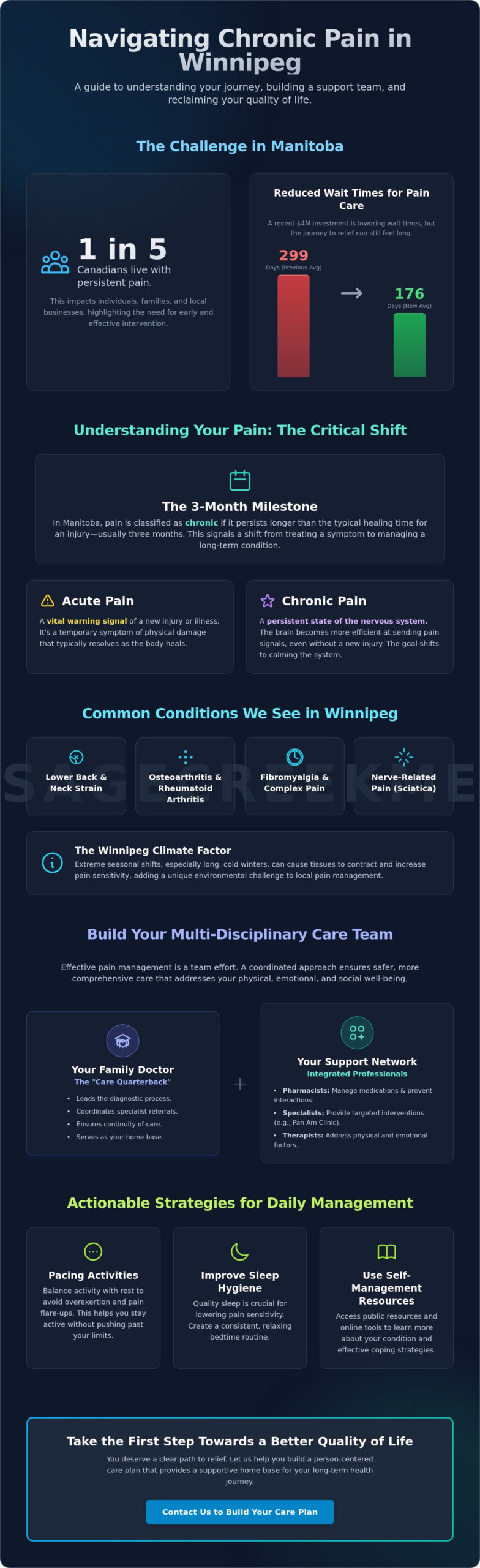
We believe you deserve a clear path to relief that focuses on your unique needs. While the Manitoba government recently invested nearly $4 million to expand pain care programs and help reduce average wait times from 299 days to 176 days, we know that even a few months can feel like a lifetime when you’re in discomfort. This guide is designed to help you bridge that gap. You’ll discover how to navigate the local healthcare system, learn about multi-disciplinary support options, and find actionable strategies to improve your quality of life today. Let’s look at how we can work together to build a care plan that treats you with the neighborly warmth and clinical expertise you deserve.
Key Takeaways
- Understand the clinical significance of the three-month milestone and how it shapes your diagnostic path in Manitoba.
- Learn how to build a multi-disciplinary team where your family physician and pharmacist work together to coordinate your care.
- Gain a clear understanding of the referral process for managing chronic pain winnipeg and how to access public self-management resources.
- Discover actionable daily strategies like pacing and improved sleep hygiene to help lower your pain sensitivity.
- Explore how a person-centered approach to chronic disease management can provide a supportive home base for your long-term health.
Understanding Chronic Pain Within the Winnipeg Healthcare Context
In Manitoba, we use the three-month mark as a clinical milestone. If pain lasts longer than the typical healing time for an injury, it is classified as chronic. This isn’t just a label. It’s a signal to shift our focus from temporary fixes to long-term support. When you are managing chronic pain winnipeg, understanding this local healthcare context is the first step toward finding relief. We understand that this transition can be frustrating, especially when you’re used to the “rest and ice” approach that works for acute injuries.
Our community sees a high prevalence of conditions that require specialized attention. These aren’t just medical terms; they represent daily challenges for our neighbors in Winnipeg. Common conditions include:
- Lower back and neck strain
- Osteoarthritis and rheumatoid arthritis
- Fibromyalgia and complex regional pain
- Nerve-related pain like sciatica
Our local environment plays a unique role in your comfort. The extreme seasonal shifts in Winnipeg, especially during our long winters, can cause tissues to contract and increase sensitivity. Managing chronic pain winnipeg involves acknowledging these environmental stressors. This seasonal cycle often takes an emotional toll, as shorter days and colder weather can make it harder to stay active or feel connected with the community.
Adopting a management mindset is often more effective than searching for a singular cure. Healing isn’t always about a total “fix” but about reclaiming your quality of life. This often requires a multidisciplinary approach to pain that addresses physical, emotional, and social factors together.
The Distinction Between Acute and Chronic Pain
Treating chronic pain as if it were a simple injury often leads to disappointment. Acute pain serves as a vital warning signal, but when pain persists, a neurological shift occurs. The brain and spinal cord become more efficient at sending pain signals, even without a new injury. Chronic pain is a persistent state of the nervous system rather than a temporary symptom of physical damage. Understanding this shift helps us move away from chasing symptoms and toward calming the nervous system.
Chronic Pain Statistics in Manitoba
Current data suggests that one in five people in our province lives with persistent pain. This has a ripple effect, impacting local businesses and adding stress to the domestic unit. Partnering with a reliable Winnipeg clinic early can make a significant difference. Early intervention is key to preventing long-term disability and helping you stay active in your community and your home.
Building Your Pain Management Team: A Multi-Disciplinary Approach
No one should have to carry the burden of persistent pain alone. Successfully managing chronic pain winnipeg requires more than just a single prescription or a one-time treatment; it requires a dedicated team of professionals who communicate with each other. This multi-disciplinary approach ensures that every aspect of your well-being, from physical mobility to emotional resilience, is addressed. By assembling a local support network, you transform a confusing medical journey into a structured, manageable path toward better health.
A collaborative team doesn’t just provide more options; it provides safer ones. When your healthcare providers work together, they significantly reduce the risk of medication interactions and treatment overlap. This coordination is particularly helpful for those following national pain management resources, which emphasize that the best outcomes happen when care is integrated rather than fragmented. We often see that patients feel more confident when they know their doctor and pharmacist are on the same page.
The Role of Your Family Doctor
Your family physician serves as the “care quarterback” for your health journey. They are responsible for the initial diagnostic process, ensuring that underlying medical issues are ruled out before a long-term management plan begins. If specialized intervention is needed, they coordinate referrals to regional centers like the Pan Am Clinic or the Health Sciences Centre. Even after a specialist discharge, your family doctor provides the essential continuity of care that keeps your progress on track in a familiar, welcoming environment.
Pharmacy Integration in Pain Care
Pharmacists are often the most accessible members of your healthcare team. They provide vital expertise that goes far beyond simply dispensing prescriptions. A clinical pharmacist reviews your entire medication regimen to ensure safety and efficacy, identifying potential conflicts between different treatments. They can also offer professional guidance on over-the-counter supplements that might complement your primary care plan. Utilizing an on-site pharmacy in Winnipeg allows for immediate consultations, making it easier to get answers to your questions without extra travel.
In addition to medical and pharmaceutical support, allied health professionals like physiotherapists and massage therapists play a crucial role. They help restore physical function and manage the muscle tension that often accompanies chronic conditions. If you are looking for a community-based “home base” to start this process, our team is ready to provide comprehensive family medicine consultations tailored to your specific needs.
Navigating Pain Management Resources and Referrals in Manitoba
Accessing the right support for managing chronic pain winnipeg often feels like solving a complex puzzle. We want to make those pieces fit together more clearly for you. This process begins with a thorough consultation with your primary care provider. This step is essential because it establishes a detailed medical history that serves as the foundation for every future treatment decision. We take the time to listen to your story, as your personal experiences are just as important as your clinical symptoms when building a care plan.
Once your history is documented, we often explore community-based programs designed to empower you with tools for daily life. For instance, Winnipeg Regional Health Authority’s pain services offer self-management workshops that help you understand the science of pain and how to reclaim your routine. If community-level care isn’t providing enough relief, the next step is a formal referral to specialized clinics like the Pan Am Clinic or Health Sciences Centre. While these specialists offer advanced interventions, your care plan is still monitored and adjusted locally at your community clinic to ensure it remains accessible and fits into your domestic life.
Specialized Clinics vs. Primary Care
You might wonder if you truly need a specialized clinic for your condition. Many chronic conditions are managed effectively at a community clinic like Sage Creek, where we focus on the whole person rather than just a single symptom. Specialized centers are typically reserved for complex cases requiring interventional procedures or advanced psychological support. It’s also helpful to know that while Manitoba Health covers your visits with a family doctor, other services like physiotherapy or chiropractic care may only have partial coverage or require private insurance.
Managing the Wait: What to Do While You Wait for a Specialist
Wait times for specialists can be significant, but you don’t have to wait to start feeling better. While you are on a referral list for managing chronic pain winnipeg, you can utilize our Winnipeg walk-in clinic to manage sudden flare-ups or adjust your current medications safely. You can also enroll in Quick Start for Pain classes offered through the WRHA. Setting baseline goals with your doctor now, such as improving your walking distance or sleep quality, ensures you are making tangible progress even before your specialist appointment arrives.
Actionable Strategies for Daily Pain Management
When you are managing chronic pain winnipeg, the small choices you make each morning can significantly impact how you feel by the evening. While medical interventions are important, your daily habits form the foundation of your long-term comfort. We want to provide you with practical tools that you can start using at home today. These strategies focus on calming your nervous system and protecting your energy, helping you stay connected to the people and activities you love in our community.
The Boom and Bust Cycle
The boom and bust cycle is characterized by over-exerting yourself on “good” days, which inevitably leads to painful crashes and prolonged recovery periods. To break this cycle, we recommend using timed activity rather than “pain-contingent” activity. This means stopping for a short rest before you feel the need for it. Keeping a pain diary can help you identify specific triggers and patterns, allowing you to plan your week with more confidence and less fear of a flare-up.
Lifestyle Adjustments for the Manitoba Climate
Our local climate presents unique challenges. Extreme cold can increase joint stiffness and nerve sensitivity, making winter months particularly difficult. Managing chronic pain winnipeg often requires a focus on Vitamin D supplementation during our dark winters, as low levels are frequently linked to increased muscle aches. For staying active when it’s too cold to walk outside, consider indoor options in the Sage Creek area, such as gentle stretching in a warm room or visiting local community centers with climate-controlled walking tracks.
Clear communication is also essential. Talking to your family and employer about your needs helps them support you more effectively. If you are struggling to find a balance between your health and your daily responsibilities, we are here to help. You can book a chronic disease management consultation to develop a personalized plan that fits your life in Winnipeg.
How Sage Creek Medical Center Supports Your Journey
Managing chronic pain winnipeg requires a healthcare partner that values long-term relationships over quick fixes. We’ve built our center to be more than just a clinic; it’s a supportive home base where you can feel heard and understood. Our team focuses on lowering the anxiety often associated with medical visits by providing a safe, accessible, and person-centered space. We believe that effective care starts with a welcoming environment where you are treated as an individual, not just a set of symptoms.
Comprehensive Chronic Disease Management
Our physicians take a methodical approach to your health. We work alongside you to create a personalized pain plan that prioritizes your quality of life. This isn’t just about clinical data; it’s about what matters to you in your daily routine. Having a dedicated family doctor in Winnipeg allows for the careful management of your long-term medical records. This continuity ensures that every update from a specialist or change in your symptoms is tracked accurately. We focus on functional goals, such as improving your mobility or helping you stay active in your workplace, so you can live your life to the fullest.
Integrated Pharmacy and Care
One of the greatest benefits of our center is the seamless integration of family medicine and pharmacy services. When you are managing chronic pain winnipeg, your medication needs can be complex. Our on-site pharmacists provide immediate consultations to ensure your plan is safe and effective. They work directly with our doctors to resolve any questions about your prescriptions right away. To make your life even easier, we provide free city-wide delivery for all prescription pain medications. This service is a core part of our commitment to domestic support, ensuring that you have access to your treatments regardless of the weather or your physical comfort level.
We pride ourselves on being a reliable pillar of the community. Our approach combines clinical authority with neighborly warmth, ensuring you feel supported throughout all phases of your journey. By coordinating closely with Manitoba Health specialists, we provide a steady and organized flow of care that mirrors your personal needs. We are here to help you navigate the system with confidence, providing the thorough and methodical practice you deserve right in your own neighborhood.
Moving Forward with a Supportive Plan for Relief
We understand that living with persistent discomfort is a journey that requires patience and the right local support network. Successfully managing chronic pain winnipeg is most effective when you have a coordinated team that looks at the whole picture, from your physical symptoms to your daily domestic life. By implementing small but powerful changes like better sleep hygiene and structured pacing, you can begin to calm your nervous system and find a more predictable rhythm in your day to day activities.
Our clinic is proud to serve as a reliable pillar for our neighbors, offering comprehensive chronic disease management and experienced family physicians who prioritize your individual needs. To make your care as seamless as possible, we provide an on-site pharmacy with free city-wide delivery for your medications. This integrated approach ensures that you always have a clear path forward without the stress of navigating multiple locations. Book a consultation at Sage Creek Medical Center today to start building a care plan that truly supports your life in our community. Better days are possible, and we’re here to help you reach them.
Frequently Asked Questions
Do I need a referral to see a pain specialist in Winnipeg?
Yes, a referral from your family physician or a primary care provider is required to access specialized pain clinics in Winnipeg. This ensures that your medical history is fully documented and that all preliminary diagnostic tests are completed before you see a specialist. We can help you start this process during a regular consultation, ensuring your referral includes the specific details needed to get you into the right program.
Does Manitoba Health cover chronic pain management services?
Manitoba Health covers your consultations with family doctors and specialists at public pain clinics like the Pan Am Clinic. However, allied health services like private physiotherapy or massage therapy often require private insurance or out-of-pocket payment. Some public resources, such as the WRHA Chronic Pain Self-Management Program, are offered at no cost to residents. We recommend checking your private insurance benefits for managing chronic pain winnipeg.
What is the difference between a pain clinic and a family doctor?
Your family doctor acts as your primary care advocate, managing your overall health and long-term medical records over many years. In contrast, a specialized pain clinic focuses on specific interventional procedures or advanced psychological support that may not be available in a community setting. While the specialist provides targeted treatments, your family doctor remains your consistent point of contact for daily management and medication adjustments between specialist visits.
Can I manage chronic pain without relying solely on opioids?
Absolutely, many effective strategies for managing chronic pain winnipeg do not involve opioids. A multidisciplinary approach often includes non-opioid medications, physical therapy, and cognitive-behavioral strategies to calm the nervous system. We focus on a holistic plan that prioritizes your safety and long-term well-being. We use a variety of tools to help you regain function and improve your quality of life without relying on a single type of medication.
How long are the wait times for pain clinics in Winnipeg?
Average wait times for specialized pain services in Winnipeg have improved recently, dropping from 299 days to approximately 176 days according to recent regional data. However, wait times can still vary significantly depending on the specific condition being treated. While you wait for a specialist appointment, we provide community-based support and flare-up management to ensure you aren’t left without care during the transition period.
What should I bring to my first pain management consultation?
You should bring a complete list of your current medications, any recent imaging reports, and a summary of previous treatments you’ve tried. It’s also very helpful to bring a pain diary that tracks your symptoms and activity levels over a typical week. This information helps us understand your unique experience and allows us to spend more time discussing your goals and potential treatment options during our visit.
How can a pharmacist help me manage my chronic pain?
A pharmacist is a vital partner in your care who ensures your medication regimen is both safe and effective. They review your prescriptions to prevent harmful interactions and can suggest over-the-counter options that might complement your primary treatment. At our center, we also offer free city-wide delivery to ensure you never have to worry about accessing your medications, especially during the challenging winter months.